Regularly, they would end up at the dump or on the compost heap.
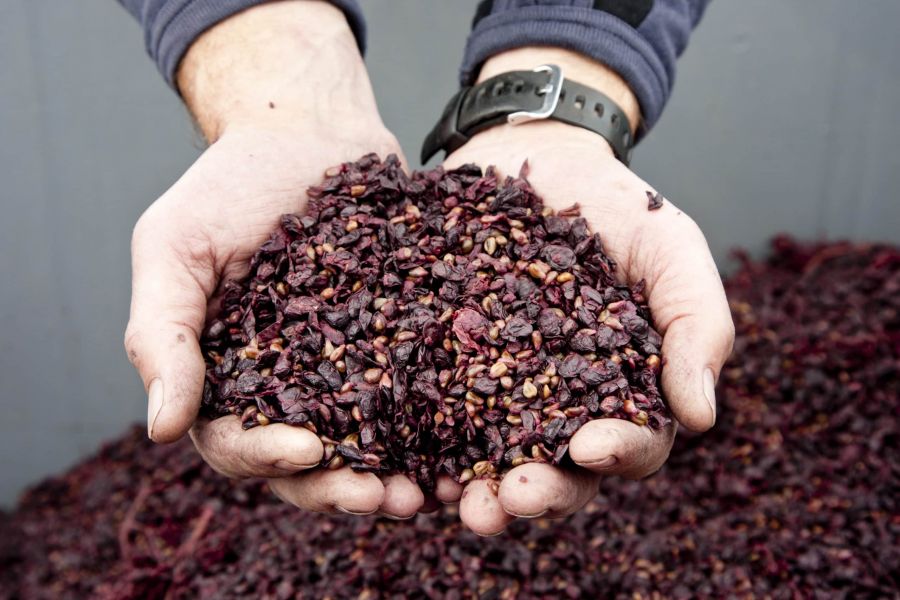
They are the grape skins and seeds leftover after winemaking and the cranberry skins leftover after making juice or sauce.
The former junk by-products are now finding new life as colour, flavour and nutritional enhancers in plant-based meats and cheeses thanks to Penticton-based CrushDynamics.
"We take an agricultural sidestream and turn it into a high-performance food ingredient," said Kirk Moir, CEO of CrushDynamics.
"It makes plant-based meats and cheeses look better, taste better and chew better."

Six years ago, CrushDynamics started its life as Winecrush Technology.
But it recently changed its name because it's using not upcycling grape pomace but cranberry pomace to produce high-performance food ingredients.
Along with the name change comes a $3.6 million funding infusion from new investors such as Western Universities Technology Innovation Fund, Women's Equity Lab, Lumia Capital and the AgFood Opportunities Fund, which is based in Melbourne, Australia.
The new cash will help CrushDynamics hire more scientists, do more business development, secure its intellectual property and find more plant-based food producer customers.
Currently, CrushDynamics' biggest customers are Big Mountain Foods in Vancouver, which makes plant-based burgers, sausages and ground meat, and Lumi Foods, also in Vancouver, which makes Blue Heron vegan cheeses.
Plant-based foods are a huge and growing market segment as more and more people turn to vegan and vegetarian products for their health and the health of the planet.
CrushDynamics' takes the grape and cranberry pomace and uses a proprietary fermentation technology to turn it into a puree ingredient.
That ingredient gives plant-based meats a natural red colour that cooks to brown, just like regular meat.
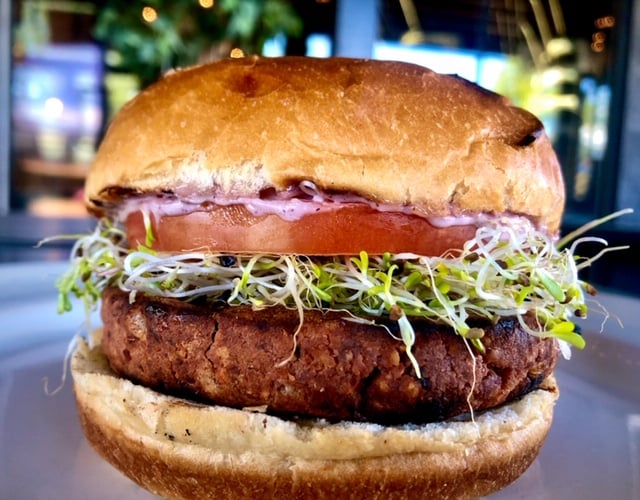
As well, the puree helps with sodium reduction, provides texture and adds nutritional value, protein, dietary fibre and antioxidants.
Those same attributes means the puree can be used for vegan cheese, seasonings, desserts, breads, cereals, condiments and sauces.
CrushDynamics' pilot projects in 2020 and 2021 saw more than 150 tonnes of pomace collected each year from Okanagan wineries and turned into food ingredients.
Agriculture and AgriFood Canada in Summerland funded those pilots because diverting pomace from the dump or compost also prevents it from producing methane gases, which are bad for the environment and can contaminate soil.
"We're looking at expanding from collecting hundreds of tons of agricultural sidestreams to hundreds of thousands of tons," said Moir.
"Currently we're working with 20 wineries. Generally, the wineries are happy for us to take it off their hands. But, in the long-term we may have to start paying for it (as the pomace is recognized as a valuable product) or awarding carbon credits."